Diplomacy or War? Trump’s Crucial Decision on Iran
Rising US military buildup in West Asia puts Trump at a crossroads between diplomacy and possible war with Iran. Read the latest developments.
 Ellofacts
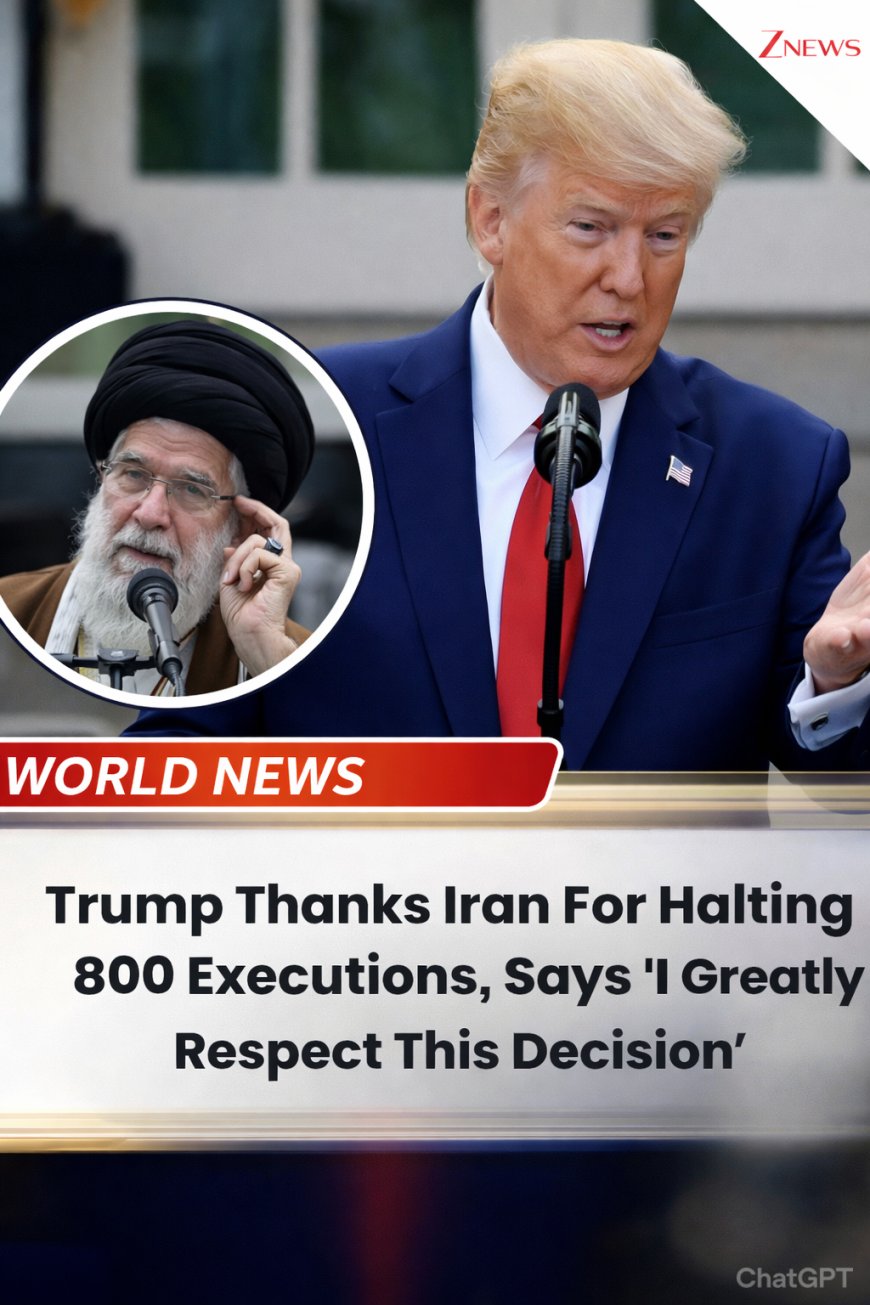
Diplomacy or War? Trump Faces a Critical Decision on Iran
A significant buildup of US military forces in West Asia has raised concerns about the possibility of a wider regional conflict. According to administration and Pentagon officials, the scale of the deployment now gives President Donald Trump the option to authorize military strikes against Iran as early as this weekend. This development places the White House at a crossroads between pursuing diplomatic efforts and launching military action.
The United States has continued to strengthen its military presence in the region, assembling forces capable of targeting Iran’s nuclear facilities, ballistic missile systems, and related launch sites. This expansion has continued despite recent indirect negotiations between Washington and Tehran. During talks held on Tuesday, Iranian officials requested two weeks to present detailed proposals aimed at resolving the dispute through diplomatic means.
Iranian Foreign Minister Abbas Araqchi stated that both sides had agreed on certain “guiding principles” during the discussions. However, White House Press Secretary Karoline Leavitt clarified that major differences still remain. A senior US official confirmed that Iran is expected to submit a written proposal outlining steps to address American concerns.
President Trump has urged Iran to choose diplomacy, emphasizing that Tehran must abandon any ambitions of developing nuclear weapons. He reiterated that lasting peace in West Asia is impossible if Iran continues to pursue nuclear capabilities. The US administration continues to demand that Iran halt uranium enrichment and fully dismantle its nuclear program.
Israel, a close US ally, is also preparing for a potential escalation. Prime Minister Benjamin Netanyahu has been advocating decisive action to weaken Iran’s missile capabilities, which he views as a direct threat to Israeli security. Israeli forces have remained on high alert for weeks, carrying out intensified military preparations in anticipation of possible hostilities.
Iran maintains that its nuclear program is strictly for peaceful purposes and has resisted making major concessions. Meanwhile, US intelligence indicates that potential targets could include missile bases, storage facilities, nuclear sites, and key military headquarters such as those of Iran’s Revolutionary Guard.
In recent weeks, the Pentagon has reinforced defensive systems across the region, deploying Patriot missile batteries and Terminal High Altitude Area Defense (THAAD) systems to protect American troops stationed in West Asia. These systems significantly enhance the US military’s ability to intercept incoming ballistic missiles and counter potential Iranian retaliation.
Officials say these measures have strengthened US defenses for short-term operations, but concerns remain over the country’s readiness for a prolonged or expanded conflict. As diplomatic efforts continue, President Trump faces a high-stakes decision that could shape the future stability of the entire region.