
Mohali Court Rejects Vigilance Plea Against Majithia Bail
A Mohali trial court dismissed the Punjab Vigilance Bureau’s request to impose strict bail conditions on SAD leader Bikram Singh Majithia, including a ban on entering Punjab and restrictions on media statements. The court ruled that the conditions were unreasonable and cited constitutional protections for freedom of movement and speech.
 Ellofacts
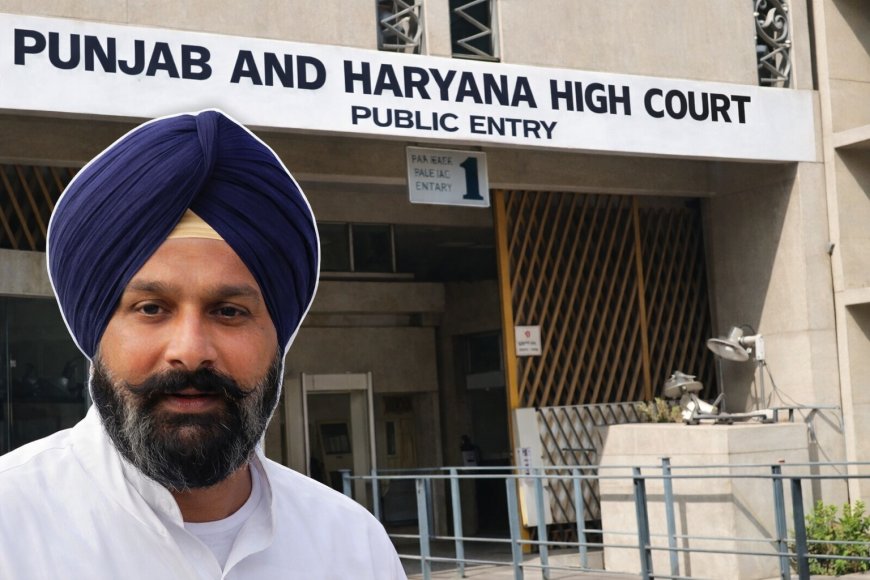
Mohali: A local court has dismissed an application filed by the Punjab Vigilance Bureau (VB) seeking strict bail conditions against Shiromani Akali Dal (SAD) leader Bikram Singh Majithia, including a ban on his entry into Punjab and restrictions on speaking to the media.
The court observed that Majithia is a permanent resident of Punjab and that preventing him from entering the state would be unreasonable. It ruled that such a condition could not be imposed in the absence of exceptional circumstances.
Rejecting the vigilance bureau’s plea to restrain Majithia from making public or social media statements, the court noted that the right to freedom of speech and expression is protected under Article 19 of the Constitution and can only be curtailed under specific grounds mentioned in Article 19(2).
The vigilance bureau had argued that Majithia, being a politically influential figure, could influence witnesses, tamper with evidence, or obstruct the investigation, which it claimed was still in progress. The prosecution also alleged that the accused had displayed a threatening attitude towards investigating officers during and after his arrest and expressed concerns over the creation of a parallel media narrative that could impact the trial.
Advocate H.S. Dhanoa, appearing on behalf of Majithia, strongly opposed the allegations, terming the prosecution’s demands arbitrary and unsupported by evidence.
In its order, Additional District and Sessions Judge (Special Judge) Hardip Singh stated that the judgments cited by the prosecution did not apply to the present case. The court further noted that during Majithia’s release in an earlier matter, there were no complaints that he violated bail conditions imposed by the Punjab and Haryana High Court while residing in Punjab.
While reiterating that the case remains under trial, the court emphasised that bail conditions should be aimed at ensuring the accused’s presence during proceedings and preventing interference with the judicial process. It declined to accept the vigilance bureau’s request for imposing sweeping restrictions, stating that lawful and proportionate conditions alone could be enforced to ensure a fair trial.
Legal experts point out that courts typically avoid bail conditions that effectively restrict an accused from living in their home state unless there are compelling and extraordinary reasons to do so.