
Tiger’s Nest Monastery, Bhutan: From Ancient Legend to Modern-Day Pilgrimage
Discover the mystic beauty of Tiger’s Nest Monastery in Bhutan, a sacred cliffside temple blending legend, spirituality, and Himalayan adventure.
 Ellofacts
Tiger’s Nest Monastery, Bhutan: From Ancient Legend to Modern-Day Pilgrimage
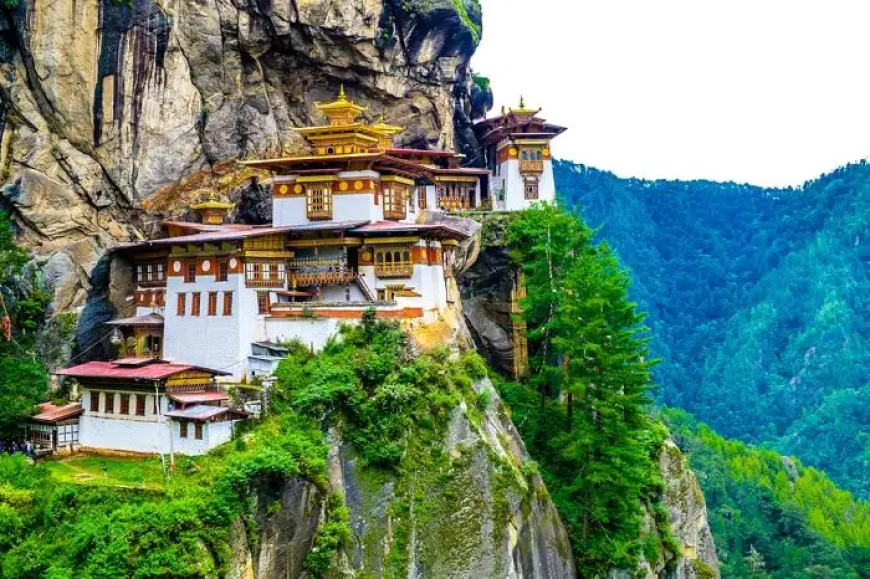
High on the cliffs of Bhutan’s Paro Valley rests a sacred gem that seems to defy gravity — the Tiger’s Nest Monastery, or Paro Taktsang. This awe-inspiring structure is not only one of the most iconic monasteries in the world but also a deep reservoir of spiritual energy, Buddhist tradition, and national pride. From its mysterious origins to its current role in spiritual life and tourism, Tiger’s Nest tells a story that stretches across centuries.
The Origins: A Legend of Faith and Flight
The history of Tiger’s Nest begins in the 8th century with Guru Padmasambhava, also known as Guru Rinpoche, the revered figure credited with bringing Buddhism to Bhutan. Legend holds that he flew to this mountainside cave on the back of a flying tigress, believed to be a manifestation of one of his consorts. There, he meditated for three years, three months, three weeks, three days, and three hours, subduing demons and blessing the land.
This event marked the birth of one of the most sacred Buddhist sites in the Himalayas. The cave where the Guru meditated became a revered spiritual site and laid the foundation for what would later become the Taktsang Monastery.
Construction of the Monastery
Though the cave’s spiritual importance dates back over 1,200 years, the monastery itself was constructed much later, in 1692, by Gyalse Tenzin Rabgye, Bhutan’s ruler at the time. He believed in preserving the sanctity of the site and commemorated the Guru’s visit by building the original complex of temples around the cave.
The monastery sits at around 3,120 meters (10,240 feet) above sea level and blends harmoniously into the cliffs, making it one of the most spectacular sights in Bhutan.
Trials Through Time
In 1998, a tragic fire engulfed much of the monastery, destroying several ancient relics and parts of its sacred interiors. The Bhutanese people, along with spiritual leaders and the royal family, came together to restore it using traditional methods. Today, it stands proudly restored, symbolizing the country's cultural resilience.
Spiritual and Architectural Grandeur
Tiger’s Nest consists of four primary temples and several smaller shrines and meditation caves. Its design reflects traditional Bhutanese architecture, featuring golden roofs, whitewashed walls, and beautifully painted wooden interiors. The monastery is filled with statues, murals, and sacred relics, including the original meditation cave of Guru Rinpoche.
A Pilgrimage Trail to Enlightenment
Reaching the monastery requires a scenic yet challenging hike of about 2 to 3 hours through pine forests and along rugged mountain paths. Midway, a café offers a perfect rest stop with panoramic views of the monastery perched against the cliffs. The final stretch includes stone steps leading to the breathtaking site.
This trek is considered more than just a hike — it is a symbolic spiritual journey, offering a sense of peace, humility, and deep reflection.
Important Visitor Information
-
Location: F9R7+PCR, Taktsang trail, Paro, Bhutan
-
Timings: Open daily from 9:00 AM to 5:00 PM
-
Entry Fee: 2,000 Bhutanese Ngultrum (Nu) for foreign tourists
-
How to Reach:
Travelers can fly into Paro International Airport, the only international airport in Bhutan. From there, you can hire a cab or use local transport to reach the base of the Taktsang trail. The hiking trail begins from the parking area and leads through forests and stone steps all the way to the monastery.
Modern-Day Significance
Tiger’s Nest is not just a historical site — it remains an active monastery where monks live, meditate, and worship. It attracts both pilgrims and tourists alike, offering a rare blend of cultural immersion and spiritual serenity. Bhutan’s strict tourism policies help protect its sanctity, ensuring that the site remains untouched by mass commercialism.
The monastery is particularly vibrant during festivals like Paro Tsechu, where religious dances, rituals, and processions fill the valley with color and devotion.
Tips for Travelers
-
Wear Comfortable Footwear: The trail can be steep and uneven.
-
Respect the Sacred Space: Avoid loud conversations, wear modest clothing, and note that photography is not allowed inside the monastery.
-
Acclimatize: Give yourself time to adjust to the altitude in Paro before attempting the hike.
-
Start Early: Begin your hike in the morning to avoid heat and afternoon crowds.
Final Thoughts
Visiting Tiger’s Nest Monastery is a journey that combines natural beauty, physical endurance, and spiritual awakening. Whether you're drawn by the legends, the architecture, or the stunning landscape, the experience is truly unforgettable.
A trip to this sacred site is not just about reaching the top of a mountain — it’s about discovering something deeper within yourself. Paro Taktsang is a timeless reminder of how faith, nature, and human spirit can come together to create something truly magical.