How Extreme Exercise Can Increase Belly Fat: 4 Weight Loss Mistakes
Extreme exercise, poor sleep, stress, and crash diets may increase visceral belly fat. Learn 4 common weight-loss mistakes and how to lose belly fat safely.
 Ellofacts
How Extreme Exercise Can Increase Belly Fat – 4 Weight Loss Mistakes to Avoid
Belly fat, especially visceral fat, is more than just a cosmetic issue—it is closely linked to serious health risks such as heart disease, diabetes, fatty liver, and high blood pressure. Experts say that while exercise is essential, pushing your body too hard without proper recovery can sometimes backfire by increasing stress hormones like cortisol, which may contribute to stubborn belly fat storage.
Many people mistakenly believe that more exercise always means faster weight loss. In reality, extreme workouts, poor sleep, stress, and unhealthy eating habits can slow progress and make it harder to lose visceral fat for good. The key is following a sustainable plan that supports both metabolism and muscle growth.
1) Overdoing High-Intensity Exercise
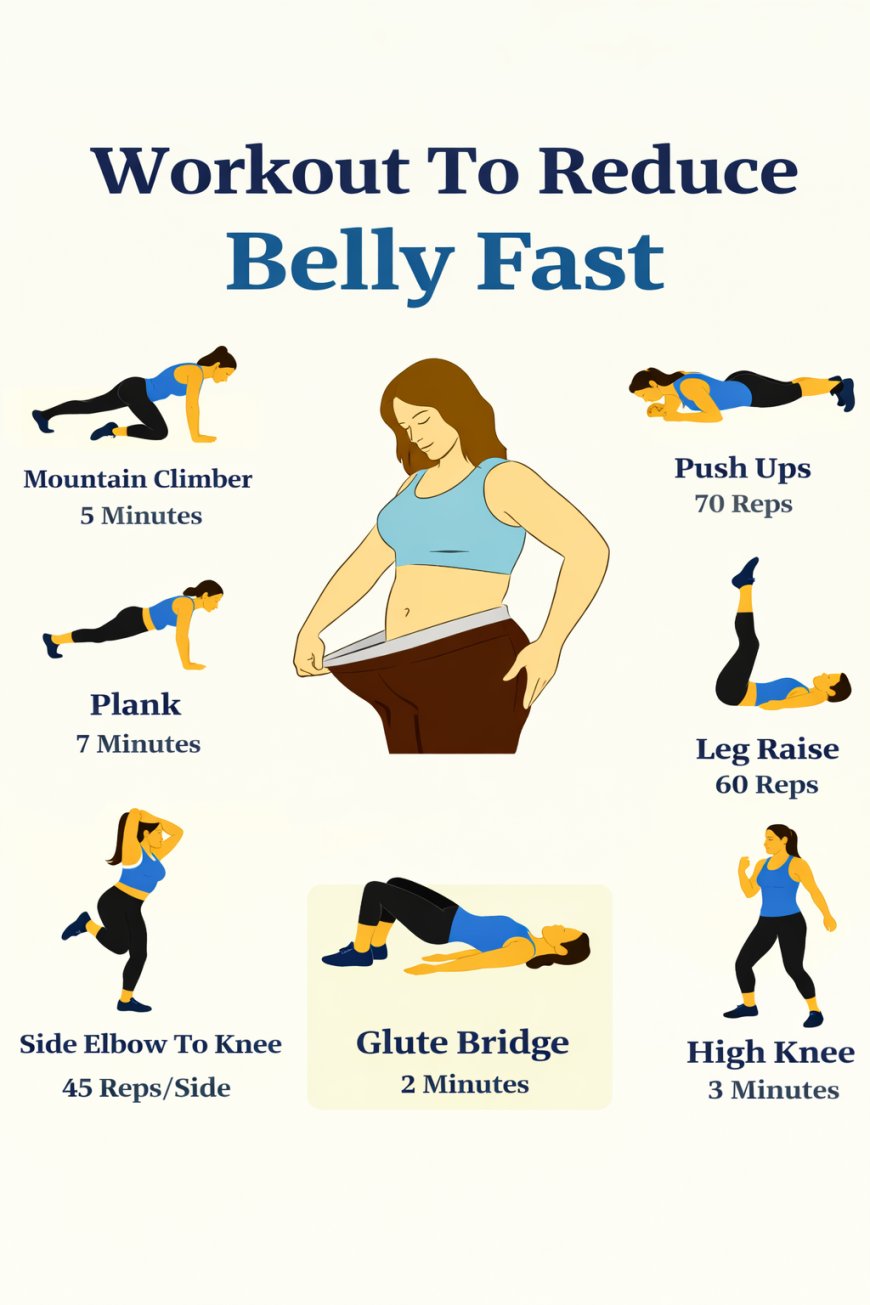
Doing intense cardio or HIIT every day without rest can raise cortisol levels. High cortisol levels may encourage the body to hold on to fat around the abdomen. Instead, combine moderate cardio with strength training and recovery days for better long-term fat loss.
2) Ignoring Strength Training
One of the biggest mistakes is focusing only on cardio. Strength training helps build lean muscle, which improves metabolism and supports belly fat reduction over time. Harvard experts recommend combining resistance workouts with aerobic exercise for the best results.
3) Poor Sleep and High Stress
Lack of sleep and constant stress can make weight loss much harder. Poor rest affects hunger hormones and increases cravings, while stress keeps cortisol levels high. Even 7–8 hours of quality sleep can make a major difference in reducing visceral fat.
4) Depending on Crash Diets
Skipping meals or following extreme low-calorie diets may lead to muscle loss instead of fat loss. This slows metabolism and can increase belly fat over time. A balanced diet with protein, fibre, healthy fats, and regular meal timing is far more effective.
How to Lose Belly Fat the Right Way
Doctors suggest focusing on:
- regular strength training
- moderate cardio or brisk walking
- quality sleep
- stress management
- high-protein, high-fibre meals
- avoiding excess alcohol and sugar
The goal should be steady and sustainable fat loss rather than quick fixes. Over time, these habits can help reduce harmful visceral fat and improve overall health.