India Bans Bilateral Sports with Pakistan Over Security Threats
India bans bilateral sports with Pakistan citing security threats, raising doubts over Asia Cup 2025 and future sporting ties.
 Ellofacts
Introduction
Sports have always been seen as a bridge between nations, often rising above politics and conflicts. However, in the case of India and Pakistan, the deep-rooted tensions have consistently spilled over into the sporting arena. Recently, India officially announced a ban on bilateral sporting events with Pakistan, citing national security threats as the key reason. This decision has far-reaching consequences not just for cricket — the most popular sport in both nations — but also for future tournaments like the Asia Cup 2025.
History of India-Pakistan Sporting Relations
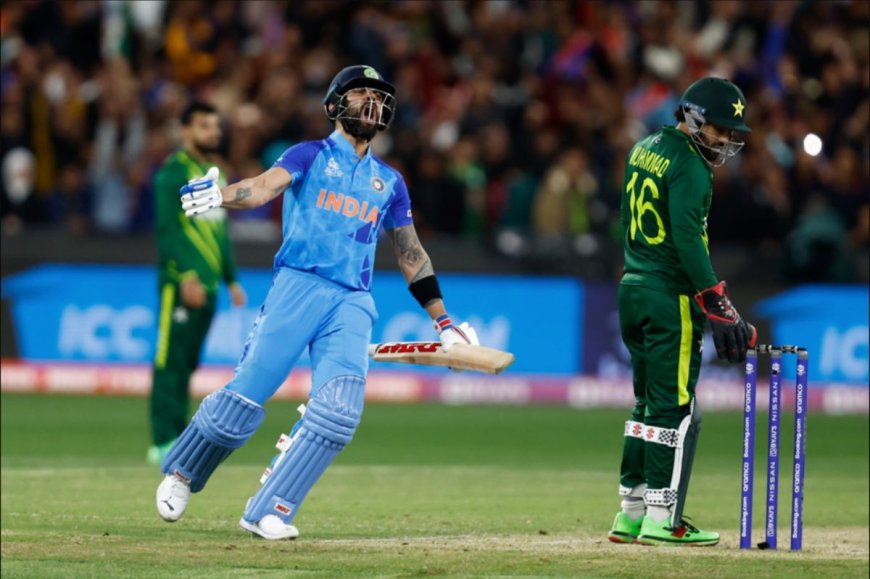
India and Pakistan share a long history of sports rivalries, especially in cricket. Their matches have always been more than just games, often charged with national pride and political undertones. However, bilateral series between the two have been rare in the last decade, with the last full-fledged cricket series taking place in 2012-13. Since then, matches have only occurred in ICC or ACC tournaments due to rising political and security tensions.
What Happened Now?
The latest decision stems from growing concerns over terrorism, cross-border conflicts, and political instability between the two nations. India has taken a strong policy stance that no bilateral sporting event will take place with Pakistan until cross-border terrorism and security issues are addressed. This means the long-anticipated bilateral cricket series remains unlikely, and the Asia Cup 2025 may face serious complications if Pakistan insists on hosting.
Asia Cup 2025 and Its Uncertainty
The Asia Cup 2025, scheduled to be hosted by Pakistan, is now under a cloud of uncertainty. India’s decision means the Indian team may not travel to Pakistan. If that happens, the Asian Cricket Council (ACC) could face pressure to shift the tournament to a neutral venue, similar to the 2023 Asia Cup where a hybrid model was used. This creates not just logistical challenges but also political tensions within Asian cricket governance.
Reasons Behind the Decision
-
Security threats for Indian players and fans in Pakistan.
-
Rising political tensions and cross-border terrorism.
-
Government policy that sports cannot be separated from national security concerns.
-
Strong public sentiment in India supporting the decision.
Current Updates and Reactions
While the BCCI has remained aligned with the government’s stand, cricketing bodies like the ACC and ICC are expected to intervene to find solutions for global tournaments. Pakistani officials, meanwhile, have criticized India’s move, calling it “politically motivated.” However, given India’s massive influence in world cricket, most boards are likely to side with India to ensure smooth participation in multi-nation events.
Significance and Impact
-
Sports Diplomacy Affected: Sporting ties, once seen as a tool for peace, continue to suffer.
-
Economic Impact: Bilateral series between India and Pakistan are huge revenue generators, and their absence hurts broadcasters and fans alike.
-
Global Cricket Politics: India’s stance could reshape how Asian tournaments are hosted in the future.
-
Public Sentiment: While Indian fans are disappointed, many support the government’s priority on security over sports.
Advantages of the Ban
-
Strengthens India’s firm stand on terrorism and national security.
-
Sends a strong political message to Pakistan.
-
Prevents potential risks to players and fans traveling abroad.
Disadvantages of the Ban
-
Loss of one of the most iconic rivalries in world sports.
-
Missed opportunities for cultural exchange and sports diplomacy.
-
Economic losses for broadcasters and cricket boards.
-
Fans on both sides deprived of much-anticipated matches.
Positives and Negatives
-
Positive: Reinforces India’s global diplomatic image of prioritizing national interest.
-
Negative: Weakens the role of sports as a unifying platform and may escalate political tensions further.
Final Thoughts and Conclusion
The India-Pakistan sports rivalry has always been more than a game — it is a reflection of the political realities between the two nations. While the decision to ban bilateral sporting ties may disappoint fans, it is rooted in national security concerns that cannot be ignored. The fate of the Asia Cup 2025 and future sporting engagements now depends on whether Pakistan and global sporting bodies can find a middle ground. Until then, cricket lovers may have to wait to witness the legendary India-Pakistan clash only in ICC tournaments.