
Haryana Urges Officials to Embrace AI Training for Better Governance
Haryana encourages officials to adopt AI training to improve governance, boost efficiency, and deliver faster, smarter public services.
 Ellofacts
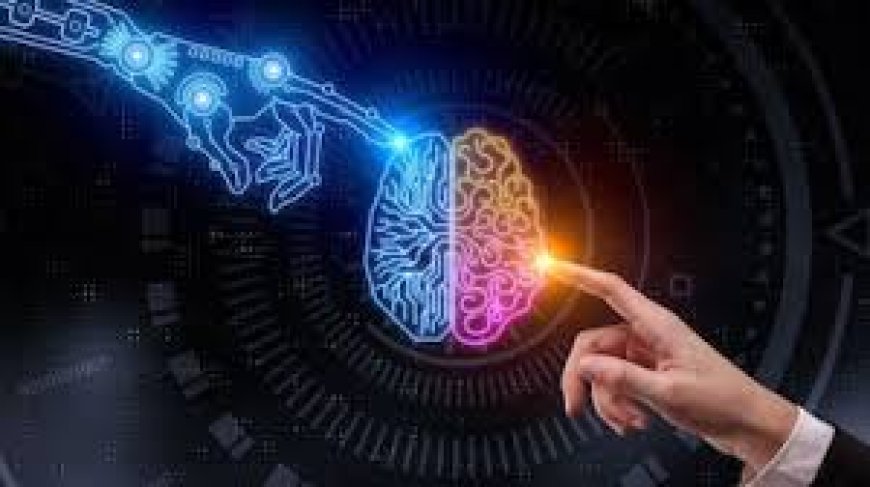
Haryana Urges Officials to Embrace AI Training for Better Governance
Introduction
In a rapidly evolving digital world, governments are increasingly adopting advanced technologies to improve efficiency and public service delivery. The state of Haryana has taken a forward-thinking step by encouraging its officials to undergo training in Artificial Intelligence (AI). This initiative reflects a broader vision to modernize governance, enhance decision-making, and provide smarter solutions to citizens.
The Need for AI in Governance
Governance today involves handling massive volumes of data, complex policies, and diverse public needs. Traditional methods often fall short in managing such scale effectively. This is where AI becomes a powerful tool.
By integrating AI, government departments can:
- Analyze large datasets quickly
- Predict trends and challenges
- Automate repetitive administrative tasks
- Improve accuracy in decision-making
For a progressive state like Haryana, adopting AI is not just an option—it is becoming a necessity.
Government’s Vision Behind AI Training
The push for AI training among officials is aimed at building a future-ready administrative workforce. Instead of relying solely on external experts, the government wants its own officers to understand and use AI tools effectively.
The vision includes:
- Empowering officials with technical knowledge
- Encouraging data-driven governance
- Enhancing transparency and accountability
- Reducing delays in public services
By investing in skill development, Haryana is ensuring that its governance model evolves alongside technological advancements.
How AI Training Benefits Officials
AI training programs can transform how government employees perform their duties. Officials equipped with AI knowledge can interpret data better, identify patterns, and make informed decisions.
Key benefits include:
- Improved efficiency in daily operations
- Faster response to public issues
- Better planning and resource allocation
- Enhanced ability to detect fraud or irregularities
This shift not only improves internal functioning but also builds confidence among citizens.
Impact on Public Service Delivery
The ultimate goal of adopting AI in governance is to improve the lives of citizens. When officials are trained in AI, services become faster, more accurate, and more accessible.
Potential improvements include:
- Smart grievance redressal systems
- Predictive healthcare and education planning
- Efficient traffic and urban management
- Real-time monitoring of government schemes
Such advancements can significantly reduce bureaucratic delays and enhance the overall citizen experience.
Challenges in Implementation
While the initiative is promising, it also comes with challenges. Not all officials may be familiar with technology, and adapting to AI tools requires time and effort.
Some common challenges include:
- Resistance to change
- Lack of technical infrastructure in certain areas
- Need for continuous training and updates
- Data privacy and security concerns
Addressing these issues will be crucial for the successful implementation of AI-driven governance.
The Road Ahead
Haryana’s initiative could serve as a model for other states in India. As more governments recognize the value of AI, similar programs may be introduced nationwide.
The future of governance lies in blending human expertise with machine intelligence. By taking early steps in this direction, Haryana is positioning itself as a leader in digital governance.
Conclusion
The decision to train officials in AI marks a significant milestone in Haryana’s journey toward modern governance. By embracing technology, the state is not only improving administrative efficiency but also setting new standards for public service.
As AI continues to shape the future, initiatives like these will play a crucial role in building smarter, more responsive governments that truly serve their people.