Oil Prices Crash Below $100 After Trump’s Iran Ceasefire
Oil prices plunged below $100 as Trump announced a 2-week Iran ceasefire, easing Strait of Hormuz supply fears and boosting global markets.
 Ellofacts
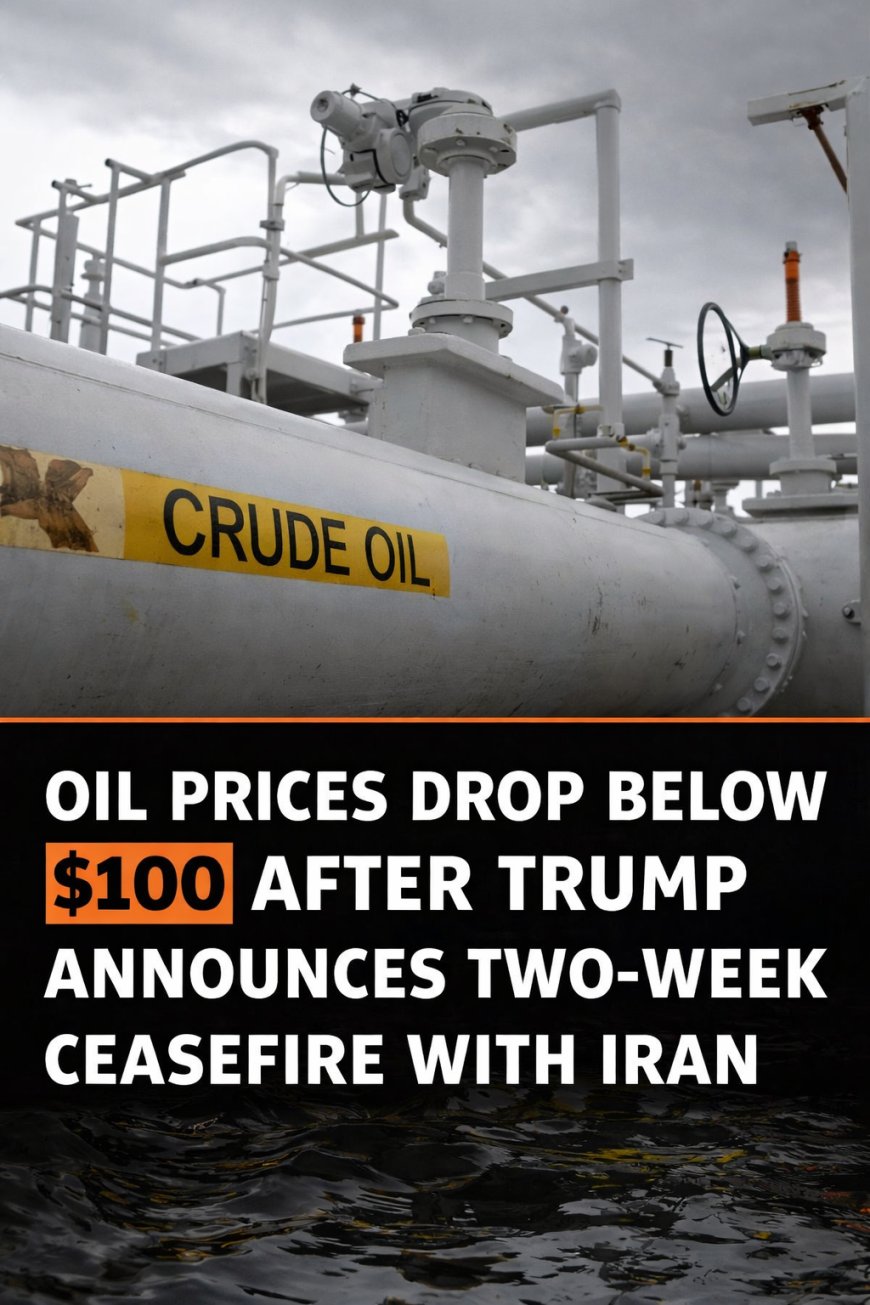
Big Drop in Oil Prices After Trump Announces 2-Week Ceasefire With Iran
New Delhi:
Global oil prices witnessed a sharp decline after former US President Donald Trump announced a temporary two-week ceasefire with Iran, easing fears of supply disruptions in global energy markets.
Brent crude dropped significantly to around $95 per barrel, down from nearly $110, while WTI crude also saw a steep fall of nearly $20 per barrel. The sudden decline reflects growing optimism among investors that oil supply chains may stabilise soon.
Why Oil Prices Fell
The primary reason behind this drop is the expected reopening of the Strait of Hormuz, a crucial global oil transit route. Nearly 20% of the world’s oil and gas supply passes through this narrow waterway.
With the ceasefire in place, tanker movement is likely to resume, reducing supply concerns that had pushed prices higher in recent weeks.
What Triggered the Oil Price Surge
Oil prices had surged dramatically following tensions between the US, Israel, and Iran. Since late February, conflict-related disruptions have led Iran to effectively block access to the Strait of Hormuz.
This caused:
- Tankers to avoid the route
- Shipping and insurance costs to spike
- Global oil prices to jump over 50% in March, marking one of the steepest increases ever
The surge also raised inflation concerns worldwide, forcing governments and industries to rethink energy strategies.
Market Reaction to Ceasefire
Financial markets reacted instantly to the ceasefire announcement:
- Oil Prices: Sharp decline as supply fears eased
- Stock Markets: Strong rally, especially in US equities
- Currencies: Risk-sensitive currencies like the Australian dollar and euro gained
- Bonds: Initial safe-haven demand eased as confidence returned
- Cryptocurrencies: Prices moved up as investors shifted back to risk assets
This broad market response signals renewed confidence in global economic stability.
Why the Strait of Hormuz Is Critical
The Strait of Hormuz is a vital energy corridor for major oil-producing countries like Saudi Arabia, the UAE, Iraq, Kuwait, and Iran. Any disruption here can immediately impact global oil prices.
Even the threat of closure can trigger volatility, making its reopening a key factor behind the recent price correction.
Uncertainty Still Remains
Despite the positive market reaction, the situation remains fragile. The ceasefire is temporary (two weeks) and depends on continued coordination with Iranian forces.
Trump stated that a long-term peace agreement is under discussion, but analysts warn that if negotiations fail, oil prices could surge again.
For now, markets are optimistic that the worst of the recent oil shock may be over—but caution remains as geopolitical tensions continue to evolve.