Singapore Launches SGX-Nasdaq Dual-Listing Board, Expands Retail Prospectus Access
Singapore introduces SGX-Nasdaq dual-listing board framework, enabling single prospectus filings and wider retail investor access.
 Ellofacts
Singapore Moves to Launch SGX-Nasdaq Dual-Listing Board; Retail Prospectus Access Expanded
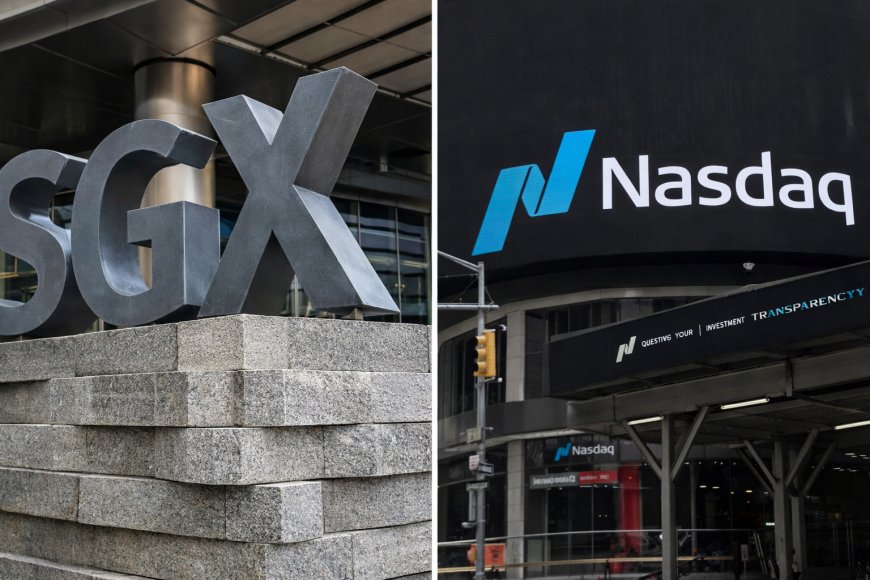
Singapore has introduced the Securities and Futures (Amendment) Bill 2026, paving the way for a new SGX-Nasdaq dual-listing framework designed to make cross-border fundraising faster and more efficient. The proposed law will support the launch of the Global Listing Board (GLB), a joint platform between Singapore Exchange (SGX) and Nasdaq, allowing companies to list simultaneously on both exchanges using a streamlined regulatory structure.
The Monetary Authority of Singapore (MAS) said the amendments would provide legal backing for this new dual-listing board and also allow similar frameworks to be extended to other overseas exchanges in the future. A new Part 13A will be inserted into the Securities and Futures Act, empowering MAS to designate approved foreign exchanges and establish joint listing boards with SGX.
A major feature of the reform is the ability for issuers to use a single set of offer documents across both Singapore and the US markets, reducing duplication and speeding up IPO timelines. MAS will also be able to modify or disapply selected Securities and Futures Act provisions, including offer-related rules and certain market misconduct safe harbours, while maintaining strict safeguards against fraud or dishonesty.
Another key amendment expands retail investor access to preliminary prospectuses, allowing retail participants to review draft offer documents before the final prospectus is lodged. This practice was previously available only to institutional and accredited investors. MAS said issuers must clearly state that the document is preliminary, cannot be used for official subscription, and investors must be notified once the final version becomes available.
The bill also revises the rules for sponsored depositary receipts, shifting the responsibility for prospectus registration from the depositary institution to the issuer of the underlying securities. According to MAS, this ensures investors receive more relevant disclosures focused on the actual company rather than the intermediary financial institution.
The proposed reforms are expected to strengthen Singapore’s position as a global capital markets hub by improving liquidity access, broadening retail participation, and attracting.