
Ola Electric Comeback? Stock Rally Sparks Fresh Investor Hope
Ola Electric shares rally on rising sales, lower costs, and new LFP battery progress, sparking hopes of a comeback in India’s EV market.
 Ellofacts
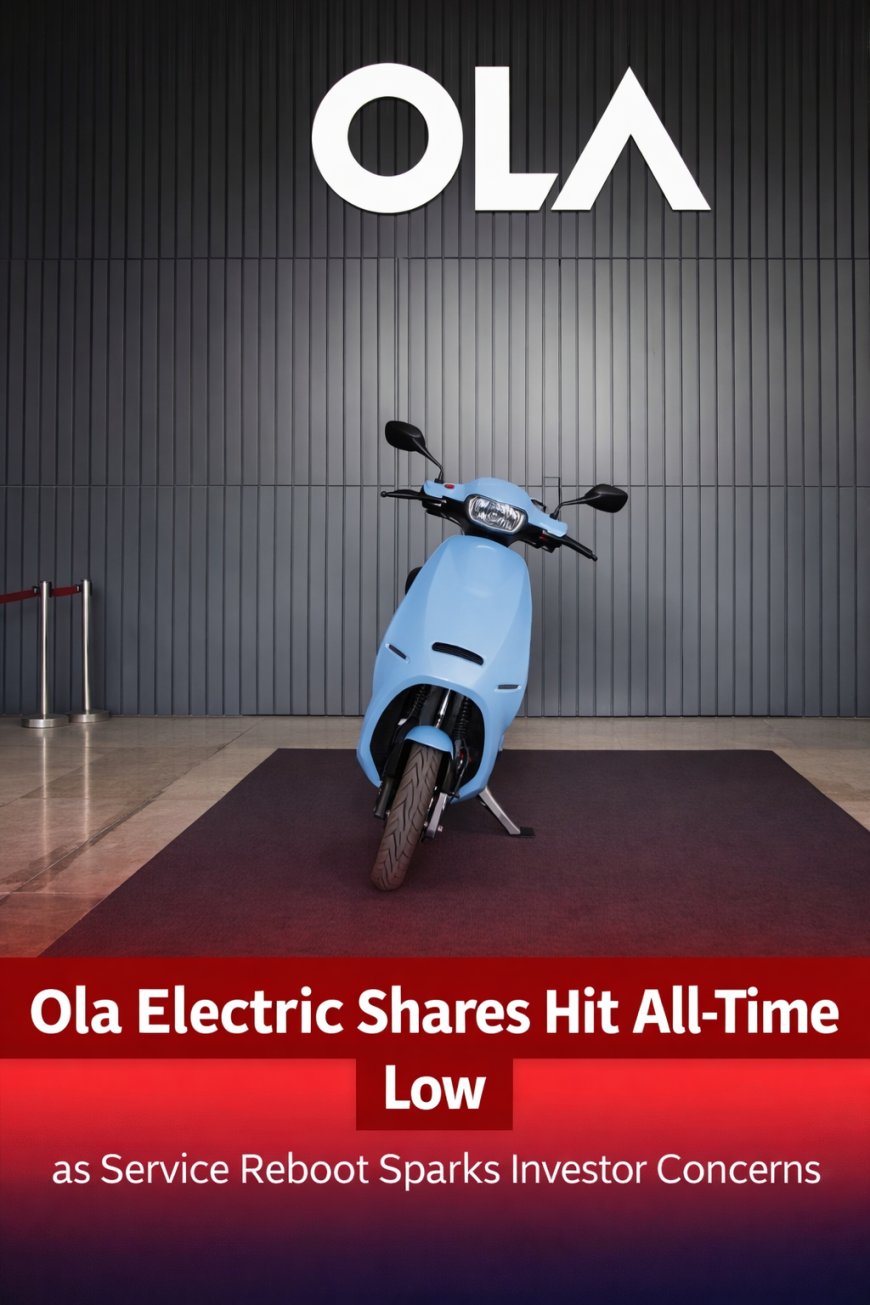
Ola Electric’s Comeback? Stock Rally Sparks Fresh Hope
Ola Electric’s recent stock rally has once again put the EV maker back in the spotlight. After months of weak deliveries, falling market share, and growing investor concerns, the company’s shares have suddenly surged nearly 35% in just three trading sessions, reviving debate over whether this is the beginning of a real turnaround or simply a short-term bounce.
The optimism comes after a difficult stretch. Since its listing, Ola initially dominated India’s electric two-wheeler market with a 30–35% share, but 2025 proved far more challenging. Service delays, overwhelmed centres, spare parts shortages, and customer complaints created serious operational pressure. The impact showed up clearly in the numbers — Q3 FY26 deliveries dropped to 32,680 units, while revenue fell sharply to ₹470 crore, exposing the scale of the slowdown.
Its market position weakened further as rivals such as TVS, Bajaj, Ather, and Hero gained ground. Ola’s market share slipped below 6% at one point, and the stock touched record lows in March. Investor confidence looked badly shaken, with the company itself calling the phase a “structural reset.”
But April 2026 has changed the mood dramatically.
A major trigger behind the rally is Ola’s announcement that its indigenous 46100 LFP battery cell is production-ready. This new Lithium Iron Phosphate battery technology is expected to reduce costs, improve thermal stability, and support broader scalability across both scooters and energy storage solutions. Investors have interpreted this as a major step toward deeper vertical integration and stronger unit economics.
Demand indicators have also started improving. March registrations reportedly jumped over 150% month-on-month to 10,117 units, while daily orders crossed 1,000 during the final week of the month. These numbers suggest that consumer traction may finally be returning after several weak quarters.
Another positive sign is Ola’s continued focus on fixing its after-sales pain points. Its Hyperservice model, built around same-day service, is beginning to show measurable results. According to the company, nearly 80% of service requests are now completed on the same day, significantly reducing turnaround times and improving customer satisfaction.
Cost control is adding to the optimism. Ola has sharply reduced quarterly operating expenses through store rationalisation, tighter spending, and workforce optimisation. At the same time, gross margins improved to a record 34.3% in Q3 FY26, suggesting that the company is retaining a bigger portion of every rupee earned.
That said, the comeback story is still far from confirmed.
Despite the stock surge, profitability remains a major concern. The company is still loss-making, and its high fixed-cost structure means that sustained sales growth is critical. Management has repeatedly revised breakeven targets lower over the past year, which has created a credibility gap among investors and analysts.
In short, the recent rally reflects renewed hope rather than confirmed recovery.
The real test will come with the Q4 FY26 results. If rising demand, better margins, and lower costs begin translating into a clear path toward breakeven, Ola’s comeback narrative may gain real strength. But if the numbers disappoint again, this rally could quickly lose momentum.
For now, the market seems willing to give Ola Electric one more chance.