Puthandu 2026: History, Rituals & Significance Explained
Puthandu 2026: Know the history, rituals, and significance of Tamil New Year. Learn about traditions like Kanni, kolam, and Manga Pachadi.
 Ellofacts
Puthandu 2026: History, Traditions, and Significance of Tamil New Year
From beautifully drawn kolams at sunrise to the unique flavours of Manga Pachadi, Puthandu is not just a festival—it represents the essence of life. Each custom and ritual reflects the importance of embracing new beginnings with hope, balance, and positivity.
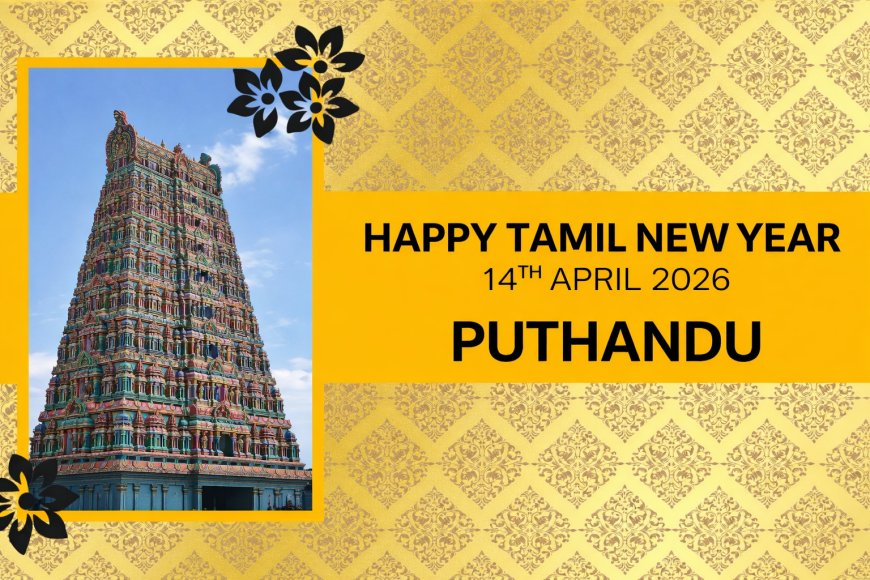
Puthandu, also known as the Tamil New Year, is celebrated annually around April 14. It marks the beginning of a new year in the Tamil calendar and is considered an auspicious time for fresh starts, prosperity, and spiritual renewal.
Historical and Cultural Significance
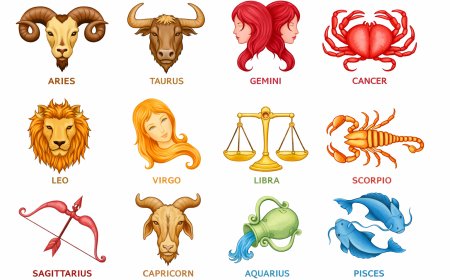
The origins of Puthandu are deeply rooted in ancient Tamil culture and traditions. The festival coincides with the sun’s transition into the zodiac sign Aries, also known as Mesha Sankranti. This astronomical event holds great importance in Tamil heritage and symbolises the start of a new cycle of time.
Puthandu is closely connected to traditional Tamil literature and agricultural practices, highlighting the relationship between nature, seasons, and human life. It represents harmony, renewal, and the continuous flow of life.
Traditions and Rituals
On Puthandu, households begin the day by cleaning and decorating their homes with vibrant kolam designs made at the entrance. Early in the morning, families observe a special ritual called “Kanni,” where they view an arrangement of auspicious items such as fruits, flowers, coins, and mirrors. This is believed to bring prosperity and good fortune for the year ahead.
Devotees also visit temples to offer prayers and seek blessings for health, success, and happiness.
A highlight of the celebration is the preparation of Manga Pachadi, a traditional dish that blends sweet, sour, bitter, and spicy tastes. Each flavour represents different emotions in life, symbolising the importance of accepting both good and challenging experiences with equal grace.
Modern-Day Celebrations
Today, Puthandu continues to be celebrated with great enthusiasm by Tamil communities across India and around the world. Families wear new clothes, share festive meals, exchange greetings, and spend quality time together.
Despite modern lifestyles, the festival remains a strong symbol of cultural identity, unity, and tradition, reminding people to welcome the new year with optimism and gratitude.