First Solar Eclipse Of 2026: When And Where To Watch
Catch the first solar eclipse of 2026! Find out when, where, and how to watch this spectacular celestial event safely.
 Ellofacts
First Solar Eclipse of 2026: When and Where to Watch
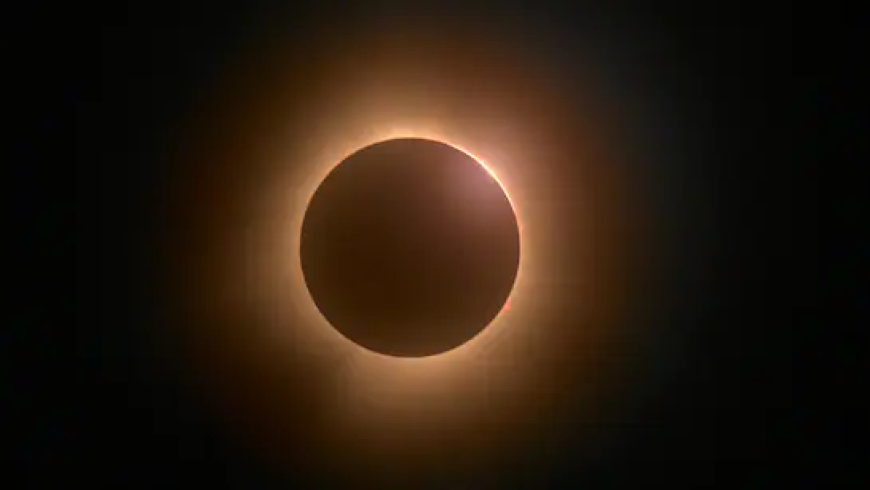
Astronomy enthusiasts worldwide have an exciting celestial event to anticipate — the first solar eclipse of 2026. Solar eclipses occur when the Moon passes directly between the Earth and the Sun, temporarily blocking sunlight either partially or completely. This rare alignment allows observers to witness a spectacular astronomical phenomenon and is always a treat for sky watchers.
When Will the First Solar Eclipse of 2026 Happen?
The solar eclipse is scheduled for February 17–18, 2026, depending on your time zone and location.
-
Partial Eclipse: Regions outside the narrow path of totality will see only part of the Sun obscured.
-
Total Eclipse: Those in the path of totality will experience the Moon completely covering the Sun for several minutes.
Exact timings vary based on your location, so check local astronomical forecasts to catch the peak of the eclipse.
Where Will the Eclipse Be Visible?
The visibility of the eclipse depends on your geographic location. Here’s a breakdown:
-
North America: Northern areas will see a partial solar eclipse.
-
South America: Some regions will experience partial coverage.
-
Europe & Africa: Select areas will have a partial view of the eclipse.
-
Path of Totality: Only a small, narrow path will experience a full solar eclipse.
???? Tip: If you want to witness the total eclipse, plan to be in the path of totality. Otherwise, partial eclipses can still be safely observed with proper precautions.
How to Watch the Solar Eclipse Safely
Viewing a solar eclipse without proper protection can cause permanent eye damage. Here are the safest ways to watch:
-
Certified Eclipse Glasses: Ensure they meet ISO 12312-2 international safety standards.
-
Pinhole Projector: A simple and effective method to project the Sun’s image onto a surface.
-
Telescope or Binoculars with Solar Filters: Never use regular optical instruments without solar filters.
-
Indirect Viewing: Always avoid looking at the Sun directly without protection.
⚠️ Warning: Sunglasses alone are not safe for solar viewing.
Tips for First-Time Eclipse Viewers
-
Plan Ahead: Check the timing and local visibility map to find the best observation spot.
-
Photography: Use solar filters on cameras to safely capture the eclipse.
-
Safety First: Keep children and pets away from direct viewing without protective eyewear.
-
Join Local Events: Many astronomy clubs and observatories host public viewing sessions.
Why Solar Eclipses Are Fascinating
-
Scientific Importance: Eclipses allow scientists to study the Sun’s corona, solar flares, and other phenomena.
-
Historical Significance: Eclipses have been observed and documented by humans for centuries, often associated with cultural and religious events.
-
Visual Spectacle: Experiencing the Sun’s light dim as the Moon moves across it is truly awe-inspiring.
Key Facts About the First Solar Eclipse of 2026
| Fact | Details |
|---|---|
| Date | February 17–18, 2026 |
| Type | Partial in most regions, total along the path of totality |
| Duration | Totality lasts a few minutes in the path of totality |
| Safety | Always use certified eclipse glasses or indirect viewing methods |
| Regions | Visible partially in North & South America, Europe, Africa; totality in a narrow path |
Fun Solar Eclipse Facts
-
The next solar eclipse after this one will occur later in 2026, but the total eclipses are rarer.
-
Total solar eclipses occur roughly every 18 months somewhere on Earth, but a given location may wait decades to see one.
-
Observing eclipses safely has inspired many innovations in solar filters, projection devices, and photography techniques.
Conclusion
The first solar eclipse of 2026 is a celestial event you won’t want to miss. Whether you’re a seasoned astronomer or a casual stargazer, planning ahead ensures a safe and memorable experience. Mark your calendar for February 17–18, 2026, and prepare to witness the Sun and Moon in one of nature’s most spectacular alignments!