NASA Faces Hydrogen Leak During Critical Moon Rocket Test Ahead of Artemis Mission
NASA encountered a hydrogen leak while conducting a crucial fueling test of its Space Launch System rocket at Kennedy Space Center. The issue temporarily halted operations and raised concerns ahead of the upcoming Artemis mission. Engineers worked to resolve the problem as astronauts monitored the rehearsal from Houston. The outcome of this test will determine whether the historic lunar flyaround can proceed as scheduled.
 Ellofacts
NASA Faces Technical Issue During Moon Rocket Test
NASA encountered a technical problem on Monday while conducting a critical fueling test for its new moon rocket. This final rehearsal will help determine when astronauts can begin their historic lunar mission.
Fueling Process Begins at Kennedy Space Centre
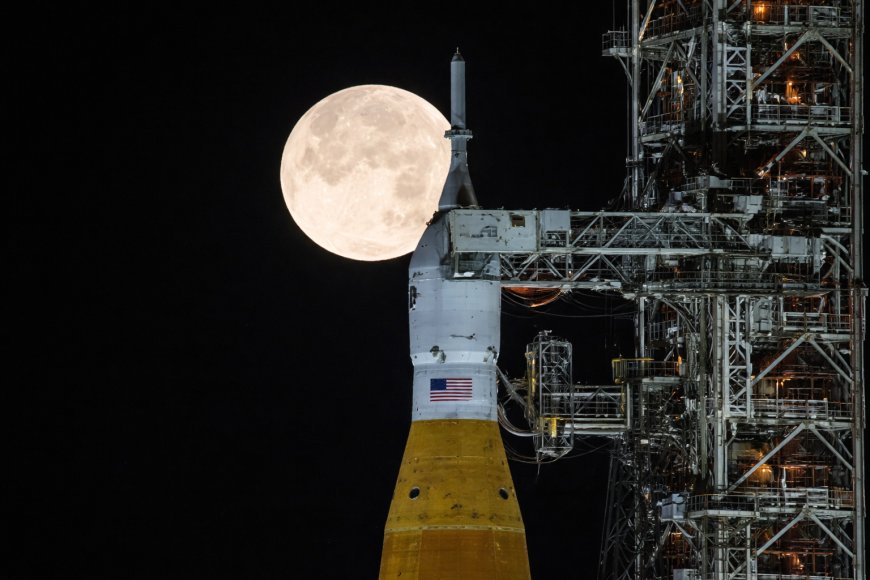
Engineers started loading the 322-foot Space Launch System (SLS) rocket with super-cooled liquid hydrogen and oxygen at Kennedy Space Centre around midday.
More than 700,000 gallons of fuel were planned to be pumped into the rocket and held for several hours to simulate real launch conditions.
Hydrogen Leak Detected
A few hours into the fueling process, monitoring systems detected excess hydrogen near the bottom of the rocket.
For safety reasons, NASA temporarily stopped fueling after only half of the core stage had been filled.
Engineers Work to Resolve the Issue
The launch team immediately began troubleshooting the problem using methods developed during the rocket’s first test flight three years ago.
That earlier mission also faced hydrogen leaks before eventually launching successfully.
Crew Monitors Test from Houston
The four-member crew—three Americans and one Canadian—observed the rehearsal from Johnson Space Centre in Houston, nearly 1,000 miles away.
They have been in quarantine for more than a week while waiting for confirmation of launch readiness.
Countdown Rehearsal Underway
Due to extreme cold weather, the test was delayed by two days.
NASA set the countdown to stop 30 seconds before liftoff, allowing controllers to practice all launch procedures and address any remaining issues.
Similar fuel leaks had previously delayed the first SLS rocket launch in 2022.
Possible Launch Window
If the fueling test is completed successfully, NASA may launch Commander Reid Wiseman and his crew as early as Sunday.
However, the mission must begin by February 11, or it will be postponed until March.
Limited launch opportunities and winter weather have already reduced February’s available dates.
Mission Objectives
The nearly 10-day mission will take astronauts past the Moon, around its far side, and back to Earth.
The goal is to test the spacecraft’s life-support systems and other essential equipment.
The crew will not attempt a lunar landing or enter orbit.
Part of the Artemis Program
NASA’s last crewed missions to the Moon were the Apollo missions of the late 1960s and early 1970s. Today, the Artemis program is paving the way for a sustained human presence on the lunar surface, aiming to return astronauts and build long-term infrastructure.
Commander Wiseman’s mission will play a key role in preparing for future lunar landings.