
Temple Tales: Discovering Chichen Itza
Discover the ancient wonders of Chichen Itza, Mexico — a majestic Mayan temple full of history, mystery, and architectural brilliance.
 Ellofacts
Temple Tales: Discovering Chichen Itza
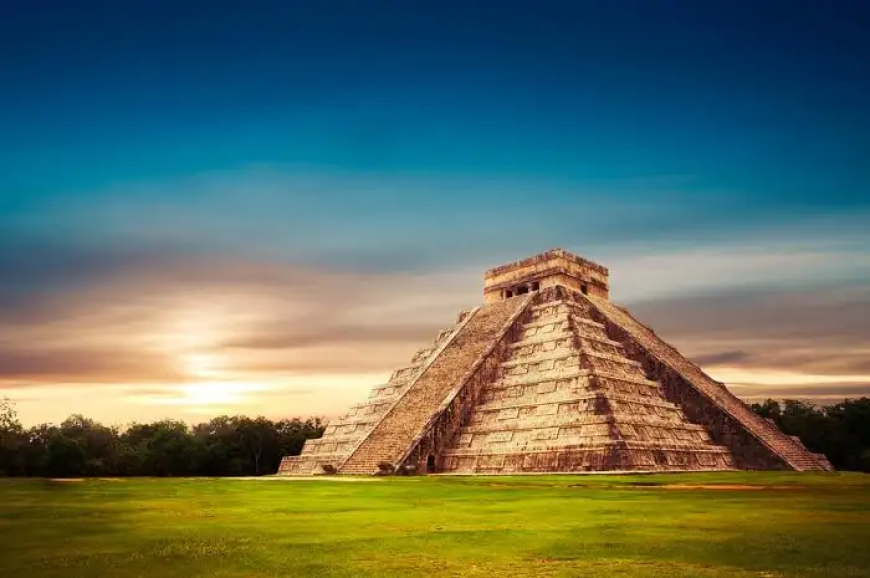
High on the flat lands of Mexico’s Yucatán Peninsula lies an ancient wonder carved with purpose and precision — the Temple of Kukulkan at Chichen Itza. This iconic pyramid, also known as El Castillo, is the heart of one of the greatest Mayan cities ever built. Revered for its cosmic alignment, mystical design, and rich spiritual roots, Chichen Itza stands as a living symbol of Mayan brilliance and devotion.
This sacred site continues to draw historians, travelers, and spiritual seekers from around the globe — not just for its grand architecture, but for the stories written into every stone.
Myth and Mystery of the Feathered Serpent
Chichen Itza is closely tied to the Mayan deity Kukulkan, the feathered serpent god of wind, rain, and creation. According to ancient belief, Kukulkan would descend from the sky during the equinox to bless the earth. The pyramid was designed to honor this god, and twice a year, during the spring and autumn equinoxes, a shadow appears on the northern staircase — creating the illusion of a serpent slithering downward.
This phenomenon remains one of the most extraordinary displays of ancient astronomical engineering.
Timeless Construction with Celestial Purpose
Although the city of Chichen Itza dates back to around 600 AD, its peak came between 800 and 1200 AD, when it flourished as a powerful economic, political, and religious center. The Temple of Kukulkan is a step pyramid consisting of 365 steps — one for each day of the year — symbolizing the Mayans' deep connection to solar time.
The pyramid isn’t just a structure; it’s a precise calendar, a cosmic observatory, and a spiritual offering all in one.
A Sacred City Beyond the Temple
Beyond El Castillo, Chichen Itza is filled with sacred spaces that reflect Mayan life and belief. The Great Ball Court, the largest of its kind, was more than a sports arena — it was a place of ritual and cosmic drama. The Temple of the Warriors, with its many columns, stands as a symbol of strength and protection. And the Sacred Cenote, a natural water-filled sinkhole, was used for offerings and sacrifices to the gods.
These sites were woven together through ceremony, mythology, and the rhythms of nature — forming a city that functioned both practically and spiritually.
Trials and Preservation Through Time
While many parts of Chichen Itza have withstood the test of time, some structures suffered erosion and looting over the centuries. Thanks to archaeological efforts and preservation laws, the site was declared a UNESCO World Heritage Site in 1988 and later named one of the New Seven Wonders of the World in 2007.
Chichen Itza today stands proudly restored and respected — a tribute to both the Maya civilization and modern conservation efforts.
A Journey Through Time: Visiting Chichen Itza
Location: Yucatán, Mexico
Timings: Open daily from 8:00 AM to 4:30 PM
Entry Fee:
-
Adults: MXN 648
-
Children (3–12 years): MXN 100
-
Mexican Citizens: MXN 290
-
Yucatán Locals (with ID): MXN 100
How to Reach:
Fly into Mérida or Cancún International Airport. From either city, you can rent a car or join a guided tour to Chichen Itza, roughly 2–3 hours away by road. The drive itself offers scenic views of lush jungles and small villages.
Tips for a Meaningful Visit
-
Start early: Arrive at 8 AM to avoid heat and large crowds.
-
Wear comfortable shoes and a hat: The site is vast, and shade is limited.
-
Hire a local guide: They offer deeper insights into the site’s stories, culture, and structure.
-
Stay hydrated: Carry water, especially during summer months.
-
Be respectful: This is not just a tourist spot, but a sacred site for many.
Modern-Day Significance
Though centuries have passed, Chichen Itza continues to serve as a spiritual and cultural symbol. For many locals and descendants of the Maya, it remains a place of pilgrimage, reverence, and identity. Events like the equinox attract thousands, but even in silence, the pyramid whispers stories of creation, balance, and cosmic harmony.
Visitors today come not only to witness ancient architecture but to reconnect with something far deeper — a sense of time, nature, and the divine.
Final Thoughts
To walk through Chichen Itza is to step into a world where faith met science, and mythology became monument. The Temple of Kukulkan, with its shadow serpent and solar wisdom, invites us to reflect on how ancient people once looked at the stars and found meaning in the universe.
Your visit here isn’t just about admiring stones — it’s about feeling the pulse of a civilization that still echoes through the Yucatán jungle.
Temple Tales is not only a journey across land — it’s a journey inward.
Also read: https://ellofacts.com/tigers-nest-monastery-bhutan