Traveling Amid Nipah Scare? UAE Doctors Say No Need to Panic
As concerns rise over the Nipah virus, UAE doctors reassure travellers and residents that there is no need for panic. Experts explain how the virus spreads, why the risk remains low for travellers, and what symptoms should not be ignored.
 Ellofacts
Traveling Amid Nipah Scare? UAE Doctors Say No Need to Panic
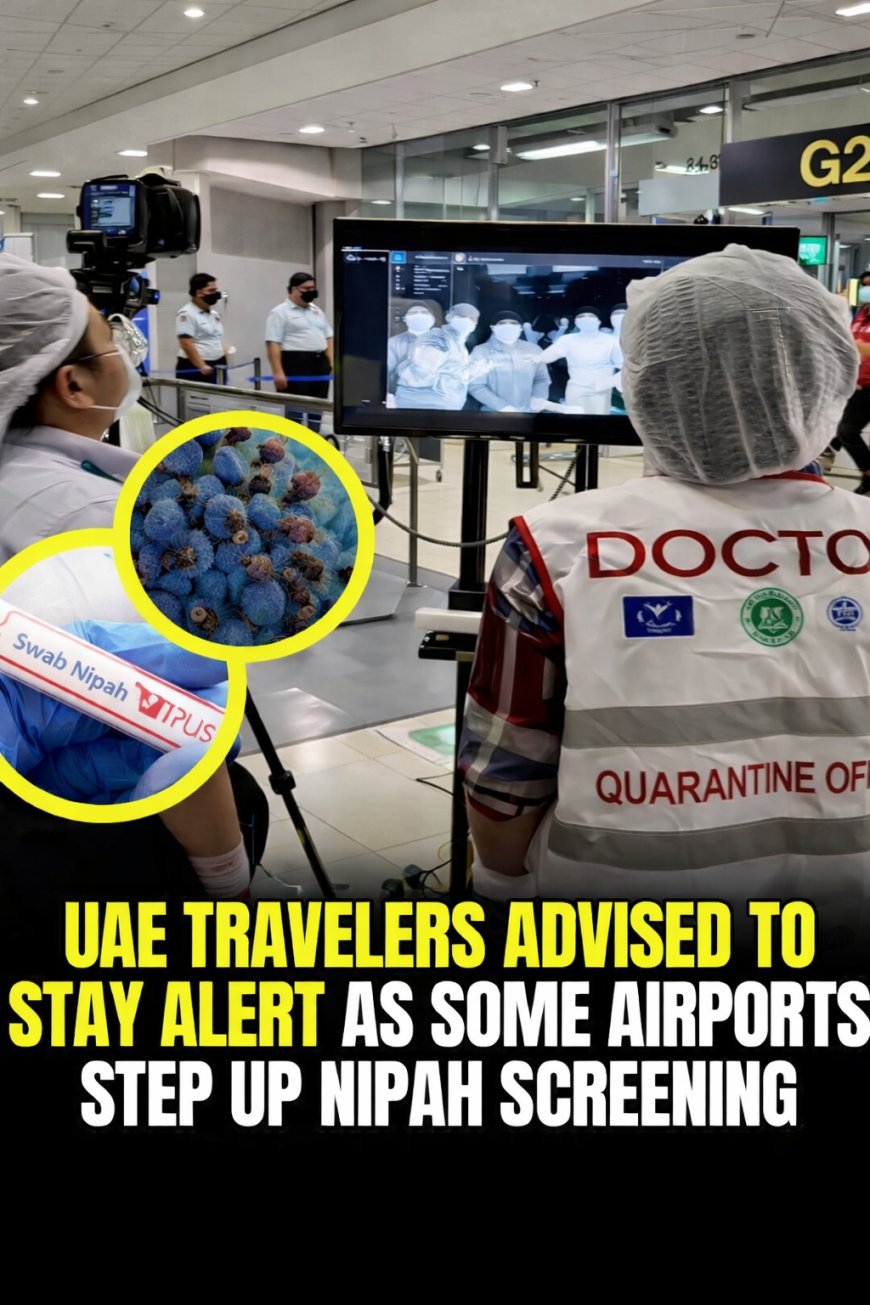
As concerns circulate about the Nipah virus following reports from parts of Asia, UAE doctors are reassuring travellers and residents that there is no reason to panic. Medical experts stress that while Nipah is a serious illness, it is rare and does not spread easily, especially in community or travel settings.
Doctors emphasise that staying informed, practicing basic hygiene, and seeking timely medical advice are far more effective than fear-driven reactions.
Nipah Is Rare and Not Easily Transmitted
According to UAE-based doctors, Nipah differs significantly from viruses such as Covid-19 or influenza.
“Nipah does not spread efficiently through casual contact,” said Dr Vinod Tahilramani, specialist at Medcare Medical Centre. “Transmission usually requires close and prolonged contact with an infected individual or exposure in specific high-risk environments.”
Unlike respiratory viruses that cause widespread outbreaks, Nipah has historically resulted in localised and limited outbreaks, not global pandemics.
What This Means for Travellers
For most travellers passing through airports, public transport, hotels, or tourist attractions, the risk of exposure remains extremely low.
Doctors say there is no need to cancel trips, avoid public places, or restrict normal travel plans unless advised by health authorities.
“The overall risk is low unless someone has had close contact with an infected person or visited a healthcare setting during an active outbreak,” Dr Tahilramani explained.
Symptoms to Watch Out For After Travel
While panic is unnecessary, doctors say awareness is important, especially for those returning from affected regions.
Early symptoms may include:
-
Fever
-
Headache
-
Muscle pain
-
Fatigue
-
Sore throat
What makes Nipah concerning is the rapid progression to neurological symptoms in some patients.
“Confusion, drowsiness, seizures, or altered consciousness following fever should never be ignored,” said Dr Deepak Dube, specialist in internal medicine. “These are medical emergencies.”
Why Nipah Is Taken Seriously
Nipah is considered a serious infection because:
-
It can cause brain inflammation
-
It has a higher fatality rate than many common viruses
-
There is no specific antiviral treatment or vaccine
Treatment focuses on early supportive care, including managing breathing, seizures, and complications. Doctors say early diagnosis can significantly improve outcomes.
UAE Healthcare System Is Prepared
Infectious disease specialists say the UAE is well prepared to detect and manage rare infections like Nipah.
“The UAE has strong surveillance systems, trained healthcare professionals, and clear isolation protocols,” said Dr Ram Shukla, specialist physician in infectious diseases.
Patients with concerning symptoms and relevant travel history can be quickly identified, isolated, and tested, reducing any risk of spread.
What Travellers Should and Shouldn’t Do
What to Do
-
Maintain good hand hygiene
-
Avoid contact with visibly ill individuals
-
Share accurate travel history with doctors
-
Seek medical help promptly if symptoms appear
What Not to Do
-
Avoid panic or social media misinformation
-
Do not self-medicate
-
No need to avoid public spaces or healthy people
“Awareness without alarm is the key,” doctors say.
No Need for Panic
Doctors reiterate that most people will never encounter Nipah, and for UAE residents and travellers, the current risk remains low.
“Nipah is rare but serious,” said Dr Dube. “Understanding the warning signs and seeking medical care early—not panic—is what truly saves lives.”