Boosting Heart Health: How Eggs Can Help & Understanding Congestive Heart Failure
Discover how eggs can support heart health, understand congestive heart failure symptoms, and learn diet, exercise, and lifestyle tips for a stronger heart.
 Ellofacts

Heart health is one of the most important aspects of overall well-being, and maintaining it requires a combination of a balanced diet, regular exercise, and lifestyle awareness. One lesser-known fact is that eggs, often debated in nutrition circles, can actually play a role in supporting cardiovascular health when consumed in moderation and as part of a healthy routine.
How Eggs Benefit the Heart
Eggs are rich in high-quality protein, essential amino acids, vitamins like B12 and D, minerals like selenium, and antioxidants such as lutein and zeaxanthin. These nutrients help in muscle repair, immune support, and protecting cells from oxidative damage. While eggs do contain cholesterol, studies show that moderate consumption (1 egg per day for most people) does not significantly increase heart disease risk, especially when balanced with plenty of vegetables, fruits, whole grains, and healthy fats.
Understanding Congestive Heart Failure (CHF)
Congestive Heart Failure is a chronic condition where the heart’s ability to pump blood effectively is reduced, causing fluid buildup in the lungs, legs, and other parts of the body. It often results from conditions like coronary artery disease, high blood pressure, or previous heart attacks.
Common Symptoms Include:
-
Shortness of breath (especially during exertion or while lying down)
-
Fatigue and weakness
-
Swelling in legs, ankles, and feet
-
Rapid or irregular heartbeat
-
Persistent cough or wheezing
-
Sudden weight gain due to fluid retention
Daily Routine & Diet for Heart Health
-
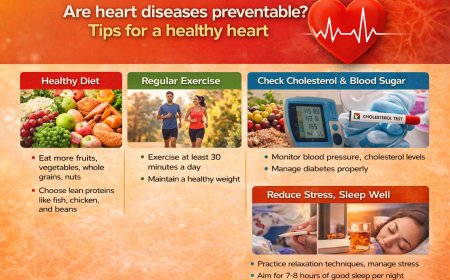
Balanced Diet: Include heart-friendly foods like eggs, leafy greens, nuts, seeds, berries, fish rich in omega-3, and whole grains.
-
Limit Harmful Fats: Reduce trans fats, excessive saturated fats, and refined sugars.
-
Hydration: Drink adequate water to maintain proper circulation and organ function.
-
Regular Exercise: Aim for 30–45 minutes of brisk walking, swimming, cycling, or yoga at least 5 days a week.
-
Stress Management: Meditation, deep breathing, and mindful hobbies can reduce heart strain.
-
Avoid Smoking & Limit Alcohol: Both can severely impact cardiovascular function.
Advantages of Including Eggs in a Heart-Healthy Plan
-
Provides long-lasting energy
-
Supports muscle and tissue repair
-
Rich in nutrients essential for nerve and brain health
-
Can be prepared in many healthy ways (boiled, poached, scrambled with vegetables)
Potential Disadvantages
-
Excessive consumption in individuals with high LDL cholesterol levels could be risky
-
Fried egg preparations in unhealthy oils may counteract benefits
-
People with specific allergies should avoid them entirely
Final Thoughts & Conclusion
Heart health is not about avoiding one single food but about maintaining an overall balanced lifestyle. Eggs, when consumed wisely as part of a nutrient-rich diet, can contribute positively to cardiovascular wellness. Understanding congestive heart failure and recognizing its early symptoms is equally vital, as timely intervention can prevent complications. Combining a healthy diet, active lifestyle, stress management, and regular medical checkups is the most effective approach to keeping your heart strong and healthy.