Pujara’s Retirement Signals the End of Indian Test Cricket’s Gritty Era
Cheteshwar Pujara’s retirement marks the end of Indian Test cricket’s gritty era, symbolizing a shift from patience to power in modern cricket.
 Ellofacts
Introduction
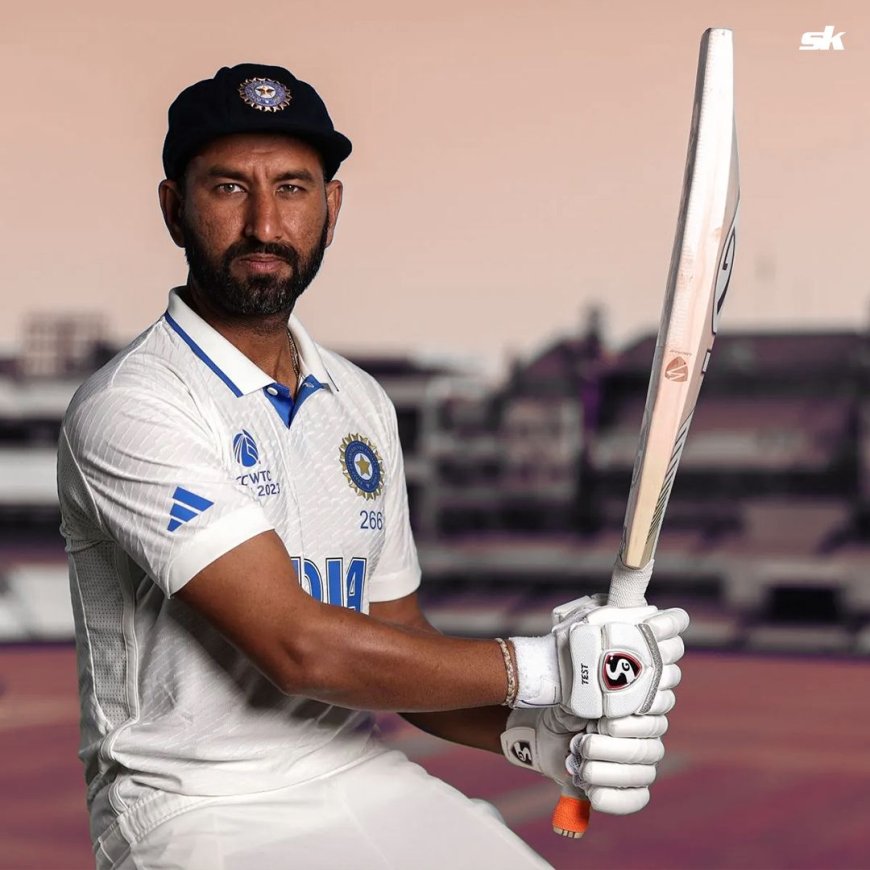
Cheteshwar Pujara’s decision to retire marks the close of a chapter in Indian cricket—a time when Test matches were crafted through patience, technique, and unwavering grit. As one of the few true Test specialists in an era increasingly dominated by aggressive batting and limited-overs cricket, Pujara’s exit is more than the retirement of a single player—it’s the fading of an ethos.
History and Career Overview
-
Test Matches: Pujara played 103 Test matches for India, scoring 7,195 runs at an average of 43.60, including 19 centuries and 35 half-centuries
-
Domestic Exploits: Beyond international cricket, he amassed 21,301 runs with 66 centuries in first-class and domestic cricket
-
Signature Performances:
-
He was named Player of the Series during India's historic 2018-19 Test series win in Australia, where he scored 521 runs across the series .
-
Other hallmark knocks include a 153 in Johannesburg (2013), *145 in Colombo (2015)**, and Test innings featuring over 500 balls faced—a rarity in modern cricket
-
Awards & Accolades
-
Series Awards: Player of the Series in the Border-Gavaskar Trophy (2018-19)
-
Early Career Recognitions: Man of the Tournament at the Under-19 World Cup (2006) and ICC Emerging Player of the Year (2013)
-
Domestic Laurels: Numerous honors across Ranji Trophy seasons, and accolades for consistency and run accumulation
Why Pujara’s Retirement Signals an End of an Era
-
Changing Cricketing Landscape: The rise of T20 leagues and limited-overs cricket has shifted focus towards flashy, aggressive batsmen. Pujara represented an increasingly rare archetype—the stoic, endurance-based Test batsman
-
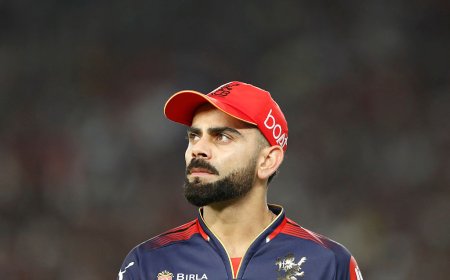
Mass Retirement Trend: He follows the recent retirements of contemporaries like Virat Kohli, Rohit Sharma, and Ravichandran Ashwin—indicating a generational turnover in India’s Test lineup
-
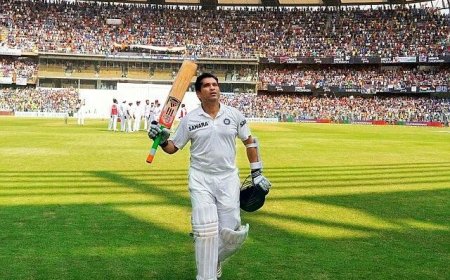
Quiet Exit: Unlike the grand farewell witnessed by legends such as Sachin Tendulkar, Pujara’s retirement was low-key, mirroring a modern trend of understated exits
Significance, Advantages & Disadvantages
Significance
Pujara embodied the enduring philosophies of classic Test cricket—fortitude, technique, and tactical warfare over flamboyance.
Advantages of This Transition
- New Talent Emerging: Opens room for younger players to cement their place and bring fresh energy.
- Modern Adaptation: India can evolve strategies centered on pace, power, and dynamic gameplay.
- Faster Bilateral Series: Some argue this shift leads to more results-oriented cricket, aligning with global trends.
Disadvantages
- Loss of Grit: India may miss that immovable wall urging bowlers to fatigue.
- Technique Decline: With fewer players learning the art of grinding out innings, overall technical quality may erode.
- Shift in Team Dynamics: Losing anchors like Pujara could unsettle balance and patience under pressure.
Broader Trend: More Retirements Incoming?
The retirement wave—including stalwarts like Kohli, Rohit, Ashwin, and now Pujara—suggests a seismic shift. We might soon see more seasoned Test specialists or all-format veterans following suit. This could usher in an entirely new era for Indian cricket, for better or worse.
Final Thoughts & Conclusion
Cheteshwar Pujara’s retirement isn't simply about a player stepping down—it’s the closing act of a narrative that valued perseverance over flamboyance. As Indian cricket turns the page, steering toward dynamic, limited-overs-ready talent, it’s worth asking: in the chase for quick results, are we prepared to lose the grit that defined the greatest Test victories?
Pujara will be remembered not just for the runs he scored, but for the manner he scored them—one defensive prod, one silent resolve at a time. His exit prompts reflection on balancing legacy with evolution. The game will move forward. But as it does, let's hope it never forgets the virtues their loss signals.