10 Skills That AI Can’t Replace: Why Human Abilities Remain Irreplaceable
10 Skills That AI Can’t Replace: Explore why human creativity, empathy, ethics & intuition remain irreplaceable in the AI era.
 Ellofacts
Introduction
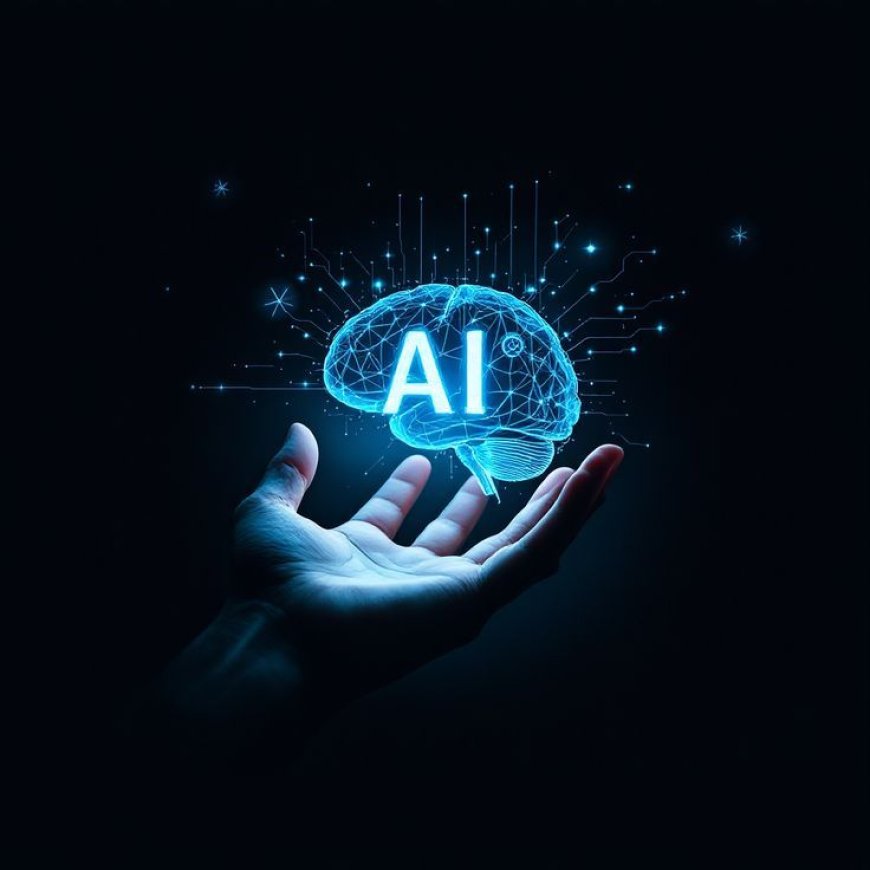
Artificial Intelligence (AI) has revolutionized industries, transforming how we work, communicate, and solve problems. From automation in manufacturing to intelligent chatbots and predictive analytics, AI has become an integral part of our daily lives. Yet, despite its power and efficiency, AI cannot fully replace human beings. There are unique skills and qualities that only humans possess—skills rooted in emotion, morality, creativity, and intuition. Understanding these human-centered abilities highlights why people will continue to play a vital role in shaping the future.
A Brief History of AI and Human Skills
The concept of AI dates back to the mid-20th century, when pioneers like Alan Turing introduced the idea of machines that could “think.” Over the decades, AI has grown from basic automation to advanced deep learning and natural language processing. However, even with this progress, the debate about whether machines can replicate human intelligence persists. History shows that while machines excel in tasks requiring speed, data, and logic, they struggle with aspects tied to humanity’s emotional depth, cultural values, and creativity.
Why These 10 Skills Cannot Be Replaced by AI
AI can simulate but not experience. Human skills like empathy, morality, and intuition are shaped by lived experiences, culture, and consciousness. These are areas AI cannot fully capture. Below are 10 such irreplaceable skills.
The 10 Irreplaceable Human Skills
Emotional Intelligence (EQ) – Humans can perceive, manage, and respond to emotions in themselves and others. AI may detect sentiment but lacks genuine empathy.
Creativity & Imagination – While AI can generate content, only humans can create with true originality, cultural meaning, and emotional depth.
Critical Thinking & Judgment – Decision-making often requires moral reasoning, ethics, and weighing consequences, areas where AI remains limited.
Leadership & Inspiration – Leading people requires trust, vision, and the ability to inspire, not just manage tasks.
Ethics & Morality – AI follows programmed rules, but humans navigate complex moral dilemmas with cultural and personal values.
Adaptability – Humans can pivot quickly in unpredictable circumstances, while AI relies heavily on predefined data patterns.
Intuition – Humans often make decisions based on gut feelings or subconscious learning, something AI cannot replicate authentically.
Interpersonal Communication – Building real human-to-human trust and emotional bonds goes beyond words and data.
Cultural Understanding – AI lacks the lived experience to understand traditions, humor, or social nuances deeply.
Compassion & Care – Professions like healthcare and counseling require genuine compassion, which no algorithm can replicate.
Key Points and Tips
-
AI can augment human skills but not completely replace them.
-
Continuous skill development in creativity, emotional intelligence, and leadership will future-proof careers.
-
Industries will benefit most when AI and human skills work together harmoniously.
Importance and Significance
The significance of preserving these skills lies in maintaining humanity at the center of progress. Without emotional, ethical, and cultural grounding, technology risks becoming cold and impersonal. These skills are not just about employability but also about safeguarding the essence of human society.
Advantages of AI in Partnership with Human Skills
-
Efficiency in handling repetitive tasks.
-
Data-driven insights to support decision-making.
-
Enhanced creativity when humans use AI as a tool.
Disadvantages and Limitations of AI
-
Bias and errors in algorithms due to flawed data.
-
Lack of accountability since AI cannot take moral responsibility.
-
Job displacement in repetitive-task industries.
Positive and Negative Impacts
-
Positive: Increases productivity, supports innovation, and enhances human potential.
-
Negative: Risk of over-reliance on machines and loss of human touch in critical areas like healthcare or education.
Final Thoughts
AI is a powerful force shaping the future, but it cannot replicate what makes us human. Emotional intelligence, compassion, ethics, and creativity remain firmly in the realm of people. The future is not about humans versus AI but about creating synergy—where machines handle what they do best, and humans contribute the irreplaceable skills that define our existence.
Conclusion
As AI evolves, the value of uniquely human skills will only increase. By nurturing creativity, empathy, ethics, and adaptability, we ensure that technology serves humanity, not the other way around. AI may transform industries, but the human heart and mind remain at the core of progress.